 Epic Heroes Entertainment Movies Toys TV Video Games News Art Pop culture news goodness
Top 10 Superhero Anime to Read & Watch.
#Anime #MyHeroAcademia #Marvel #top10 #superhero
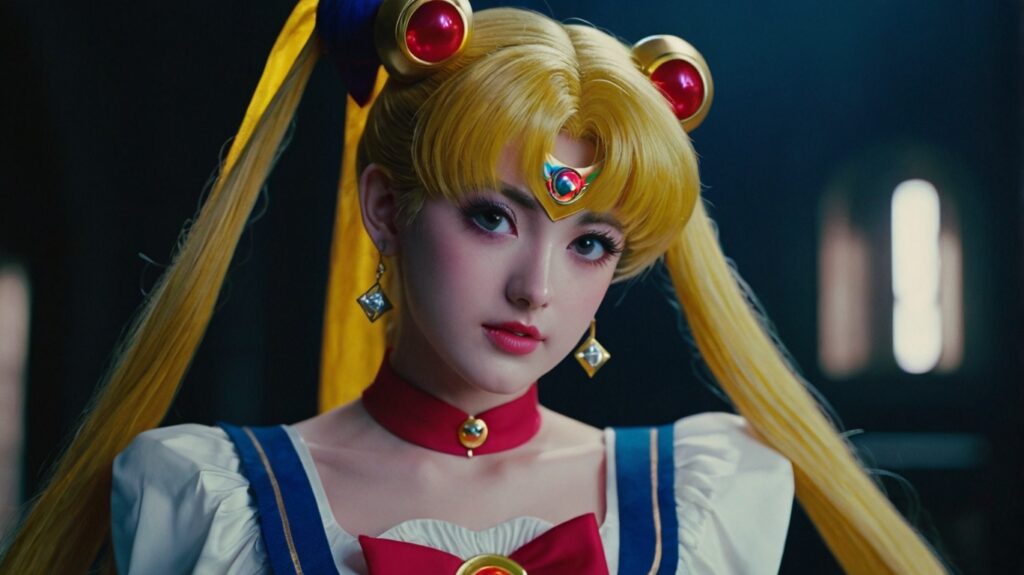
Top 10 Superhero Anime – In a world where extraordinary abilities collide with thrilling narratives, the realm of superhero anime stands as a beacon of awe-inspiring entertainment. From daring battles to heart-wrenching dilemmas, these animated series seamlessly blend the fantastical with the relatable, captivating audiences worldwide. As we delve into the realm of Top 10 Superhero Anime to read and watch, prepare to be swept away on a whirlwind adventure through dazzling worlds where courage knows no bounds and justice reigns supreme.
Superhero anime has been gaining popularity in recent years, with iconic series like My Hero Academia and One Punch Man capturing the hearts of fans worldwide. What sets superhero anime apart is its unique blend of superpowers, intense action sequences, and complex character development. These shows often explore themes of heroism, sacrifice, and the responsibility that comes with having extraordinary abilities.
One intriguing aspect of superhero anime is the diverse range of powers showcased by different characters. From elemental manipulation to time travel abilities, each hero brings a unique skill set to the table. This variety not only makes for exciting battles but also allows for exploration of how these powers impact the characters’ personalities and choices.
Furthermore, superhero anime often delves into moral dilemmas faced by both heroes and villains. The line between good and evil can be blurred, with characters grappling with their motivations and actions. This exploration adds depth to the stories and creates layers of complexity that keep viewers engaged and invested in the outcomes of these epic battles between forces of light and darkness.
10. “Batman Ninja”

Batman Ninja is a groundbreaking superhero anime that transports viewers into an alternate reality where Batman and his allies and foes take on new forms as fearless ninjas. The fusion of traditional Japanese aesthetics with the iconic Batman universe creates a visually stunning and action-packed experience unlike anything seen before in the superhero genre. From intricate samurai armor to fast-paced ninja battles, every detail in Batman Ninja is meticulously crafted to immerse viewers in a world where Eastern mysticism meets Western heroism.
What sets Batman Ninja apart from other superhero adaptations is its exploration of cultural themes such as honor, loyalty, and sacrifice within the context of a high-energy anime storyline. The character development in this animated feature goes beyond the typical superhero narrative, delving into complex emotions and motivations that drive each character’s actions. By blending elements of ancient Japan with modern Gotham City, Batman Ninja offers a fresh perspective on the beloved Caped Crusader while paying homage to both traditional Japanese folklore and American comic book traditions.
9. “Sailor Moon”

Sailor Moon is not just an ordinary superhero anime; it is a groundbreaking series that revolutionized the magical girl genre. With its blend of action, romance, and powerful themes of friendship and self-discovery, Sailor Moon captured the hearts of audiences worldwide. What sets Sailor Moon apart from other superheroes is its focus on strong, complex female characters who tackle everyday challenges alongside battling intergalactic forces.
One of the most intriguing aspects of Sailor Moon is the transformation sequences, which are not just visually stunning but also symbolize personal growth and empowerment. Each character’s transformation represents a journey towards self-acceptance and embracing their inner strength. Moreover, the series consistently challenges gender norms by portraying male characters who support and uplift their female counterparts rather than overshadowing them—a refreshing change in the world of superhero narratives.
Overall, Sailor Moon continues to be a timeless masterpiece that resonates with fans young and old alike. Its enduring legacy lies in its ability to inspire viewers to embrace their individuality, stand up against injustice, and believe in the power of love and friendship – making it more than just a superhero anime but a transformative experience for all who encounter its magic.
8. “Heroman”

Superhero Anime Heroman combines the thrill of classic superhero stories with a modern anime twist, appealing to fans of both genres. The show’s unique take on the traditional superhero narrative explores themes of power, responsibility, and heroism in a fresh and captivating way. Heroman’s character development stands out as each character faces their own struggles and battles, making them relatable and multidimensional.
One of the most intriguing aspects of Superhero Anime Heroman is its visually stunning animation style that captures the dynamic action sequences with precision and flair. The seamless blend of 2D animation with intricate CGI effects creates a vibrant world where every punch, kick, and explosion feels larger than life. Moreover, Heroman’s plot twists keep viewers on the edge of their seats, adding layers of complexity to an already enthralling storyline.
Overall, Superhero Anime Heroman offers an exciting and immersive viewing experience that will leave audiences eagerly anticipating each new episode. With its compelling characters, breathtaking visuals, and unpredictable plot twists, Heroman sets itself apart as a must-watch for fans seeking a fresh take on the superhero genre in anime.
7. “Gatchaman Crowds”

In Gatchaman Crowds, the concept of superheroism is reimagined in a digital age where social media and technology play a crucial role in shaping heroes and villains alike. The series explores the idea of how ordinary individuals can become powerful superheroes through an app that grants them special abilities and allows them to connect with others who share their mission. This dynamic shift from traditional heroic narratives challenges viewers to question the definition of heroism and the impact of technology on society.
Moreover, Gatchaman Crowds delves deep into the complexities of human nature, addressing themes such as identity, loneliness, and the struggle for acceptance. The characters navigate through moral dilemmas, personal struggles, and societal expectations while trying to protect their city from various threats. By portraying superheroes who are flawed and vulnerable, the series breaks away from conventional superhero tropes and offers a more realistic portrayal of individuals with extraordinary powers facing everyday challenges.
Additionally, Gatchaman Crowds presents a visually stunning world filled with vibrant colors, intricate character designs, and dynamic action sequences that keep viewers hooked from start to finish. The fusion of traditional animation with modern CGI techniques creates eye-catching visuals that enhance the storytelling experience. The series not only entertains but also provokes thought on significant social issues relevant in today’s digital age.
6. “Samurai Flamenco”

Superhero Anime Samurai Flamenco is a unique and refreshing take on the superhero genre, blending elements of traditional Japanese samurai culture with modern-day crime-fighting. The series follows Masayoshi Hazama, an ordinary man who becomes the superhero Samurai Flamenco after being inspired by his favorite tokusatsu shows. What sets Samurai Flamenco apart is its exploration of what it means to be a hero in a world that may not always appreciate or understand acts of heroism.
One of the most intriguing aspects of Samurai Flamenco is how it challenges traditional notions of heroism and justice. The series delves into complex moral dilemmas faced by Masayoshi as he navigates his dual identity as both a regular person and a superhero. Additionally, Samurai Flamenco raises thought-provoking questions about the role of superheroes in society and whether their actions truly make a difference in the grand scheme of things. Overall, Superhero Anime Samurai Flamenco is a must-watch for fans looking for a fresh and introspective take on the superhero genre.
5. Astro Boy

In the world of superhero anime, Astro Boy stands out as a timeless classic that continues to captivate audiences with its futuristic themes and endearing protagonist. Created by Osamu Tezuka in the 1960s, Astro Boy broke new ground by exploring complex moral dilemmas through the eyes of a young android boy endowed with incredible powers. Despite his superhuman abilities, Astro Boy’s struggles with identity and acceptance resonate deeply with viewers of all ages.
Through the lens of technology and ethics, Astro Boy delves into profound questions about what it means to be human and the ethical implications of artificial intelligence. As society grapples with ethical dilemmas surrounding advancements in technology, Astro Boy serves as a cautionary tale that sparks meaningful conversations about our relationship with machines and our responsibilities as creators. With its rich storytelling and thought-provoking themes, Astro Boy continues to inspire generations by reminding us of the power of empathy and resilience in an ever-changing world.
4. “Kill la Kill”

Kill la Kill, a unique superhero anime that pushes the boundaries of both storytelling and visual style, is a thrilling masterpiece that captivates audiences with its bold narrative and dynamic characters. This anime challenges traditional superhero tropes by blending high-energy action sequences with deep themes of empowerment, self-discovery, and rebellion. The character development in Kill la Kill is particularly notable, as protagonist Ryuko Matoi undergoes a powerful transformation from a seemingly ordinary high school student to a fierce warrior on a quest for justice.
One of the most intriguing aspects of Kill la Kill is its commentary on societal norms and conformity through the lens of fashion and clothing. The way in which clothing serves as both armor and vulnerability for the characters adds depth to the storyline and prompts viewers to consider the ways in which external appearances can shape our identities. Additionally, the fusion of humor, drama, and intense battle scenes creates a truly immersive viewing experience that keeps audiences on the edge of their seats. In essence, Kill la Kill is not just another superhero anime—it is a thought-provoking journey into the complexities of power, identity, and rebellion that leaves a lasting impact on those who dare to watch.
3. Marvel Future Avengers

Marvel Future Avengers stands out as a unique blend of Marvel’s iconic superheroes and the dynamic art style of anime. The series brings a fresh perspective to the superhero genre, providing an exciting new way for fans to experience their favorite characters in action. Unlike traditional Western animated series, Marvel Future Avengers infuses Japanese storytelling elements, resulting in a captivating and visually stunning show that appeals to both comic book enthusiasts and anime lovers.
One of the most intriguing aspects of Marvel Future Avengers is how it explores the concept of legacy within the superhero world. The series delves into the idea of passing down heroic mantles from one generation to the next, highlighting themes of mentorship and growth. This approach adds depth to familiar characters while also introducing fresh faces that bring new perspectives and dynamics to the team. As viewers follow these young heroes on their journey to become true Avengers, they are treated to a compelling narrative that is both inspiring and thought-provoking.
Marvel Future Avengers excels at showcasing diverse power sets and abilities, allowing each character to shine in their own unique way. From classic heroes like Iron Man and Captain America to lesser-known figures like Kamala Khan (Ms. Marvel) and Black Panther, every member of the team contributes something special to the group dynamic. This diversity not only creates interesting interactions among characters but also reinforces themes of unity and cooperation, emphasizing that true strength comes from working together towards a common goal.
2. One-Punch Man

One-Punch Man, an unconventional superhero anime that transcends the traditional genre, offers a refreshing take on heroism. The premise revolves around Saitama, a seemingly ordinary man with an unbelievably powerful punch that can defeat any opponent with just one blow. This unique concept challenges the typical hero narrative and explores themes of boredom, existential crises, and the true meaning of strength.
What sets One-Punch Man apart is its clever blend of satire, humor, and jaw-dropping action sequences. The series cleverly deconstructs superhero tropes while delivering exhilarating fight scenes that showcase Saitama’s unmatched power. It’s this juxtaposition of comedy and intense battles that keeps viewers hooked and eagerly anticipating each episode.
Moreover, One-Punch Man also delves into deeper themes such as the nature of heroism, society’s obsession with heroes, and the consequences of overwhelming strength. The characters are well-developed and multifaceted, adding layers of complexity to the story beyond just flashy battles. Overall, this superhero anime stands out for its innovative approach to storytelling within the genre while still paying homage to classic superhero dynamics.
1. My Hero Academia

My Hero Academia has transformed the landscape of superhero anime with its unique approach to storytelling. The series shines a spotlight on the complexities of heroism, exploring not only grand battles but also the personal struggles and growth of its characters. Watching these aspiring heroes navigate their way through challenges and setbacks adds layers of depth to the narrative, making it more relatable and impactful.
One aspect that sets My Hero Academia apart is its diverse cast of characters, each with their own quirks and motivations. This allows for rich character development and dynamic interactions that keep viewers invested in their journeys. Additionally, the themes of passion, perseverance, and sacrifice woven throughout the series resonate deeply with audiences who are drawn to the emotional depth portrayed in each episode.
In a genre saturated with superhero stories, My Hero Academia stands out for its blend of action-packed sequences and genuine moments of reflection. By balancing epic battles with heartfelt character arcs, this anime captures not just the essence of heroism but also the essence of humanity in all its flawed glory.
In conclusion, the world of superhero anime offers a diverse range of characters, stories, and powers that captivate audiences across the globe. From iconic classics like My Hero Academia to newer hits like One Punch Man, these shows continue to push the boundaries of imagination and creativity. Whether you’re a fan of action-packed battles or deep character development, there’s something for everyone in the realm of superhero anime. As we celebrate the top 10 superhero anime series that have left a lasting impact on viewers, we eagerly anticipate what the future holds for this beloved genre. So grab your cape, power up your abilities, and immerse yourself in the thrilling world of superhero anime today!
Follow us for New Content Daily
Twitter @epicheroes
Insta @epicheroesuk
http://www.youtube.com/c/Epicheroes
https://amazon.co.uk/shop/epicheroes